

<p>On the afternoon of November 20, at the 2nd Session of the 16th National Assembly, the <strong>Law on Organization of Criminal Investigation Bodies (Revised)</strong> was officially voted and passed with an approval rate of 91.78% [2]. The new legislation consists of 8 chapters and 54 articles, scheduled to take effect on March 1, 2027, along with specific transitional provisions [2].</p>
Organizational system and authority of the criminal investigation apparatus
According to the provisions of the new law, the system of Investigation Bodies comprises the Investigation Bodies of the People's Public Security and the Investigation Bodies of the People's Army2.
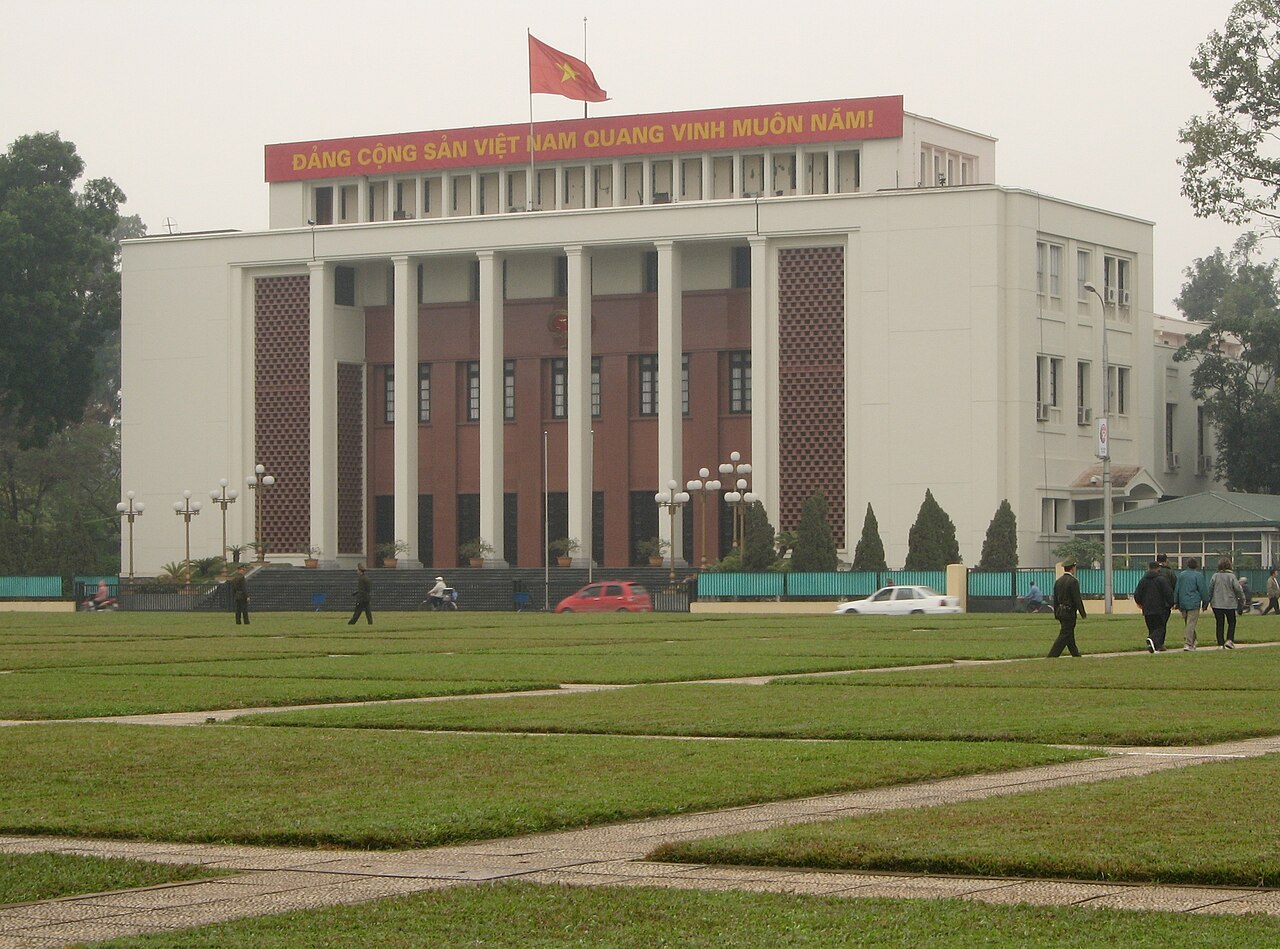
Photo: Ba Đình Hall 1 – Hector Garcia, CC BY-SA 2.0, via Wikimedia Commons.

Photo: Police investigation the same day – Broward Sheriff's Office, Public domain, via Wikimedia Commons.
The system of Investigation Bodies of the People's Public Security is organized at two levels, including the Security Investigation Agency and the Investigative Police Agency under the Ministry of Public Security as well as provincial-level Public Security2. In the People's Army, the apparatus consists of the Security Investigation Agency of the Ministry of National Defense, military zones and equivalents; Criminal Investigation Agencies are organized at three levels including the Ministry of National Defense, military zones and equivalents, and the regional level2.
Presenting the Summary Report on the absorption, explanation, and revision of the draft law, General Luong Tam Quang, Minister of Public Security, stated that the organizational structure of the Ministry of Public Security and the Ministry of National Defense is implemented in accordance with the Party's regulations and must be reported to the Politburo for comments2. Based on the Politburo's conclusion and the provisions of the Law on Organization of the Government, the Government will issue a Decree prescribing the structure and organization, while the Ministers of both ministries will regulate units performing criminal investigation tasks2. Therefore, the law does not need to fix the maximum number of specialized investigation departments and divisions2.
Addition of investigative authority for 07 offenses to the Security Investigation Agency
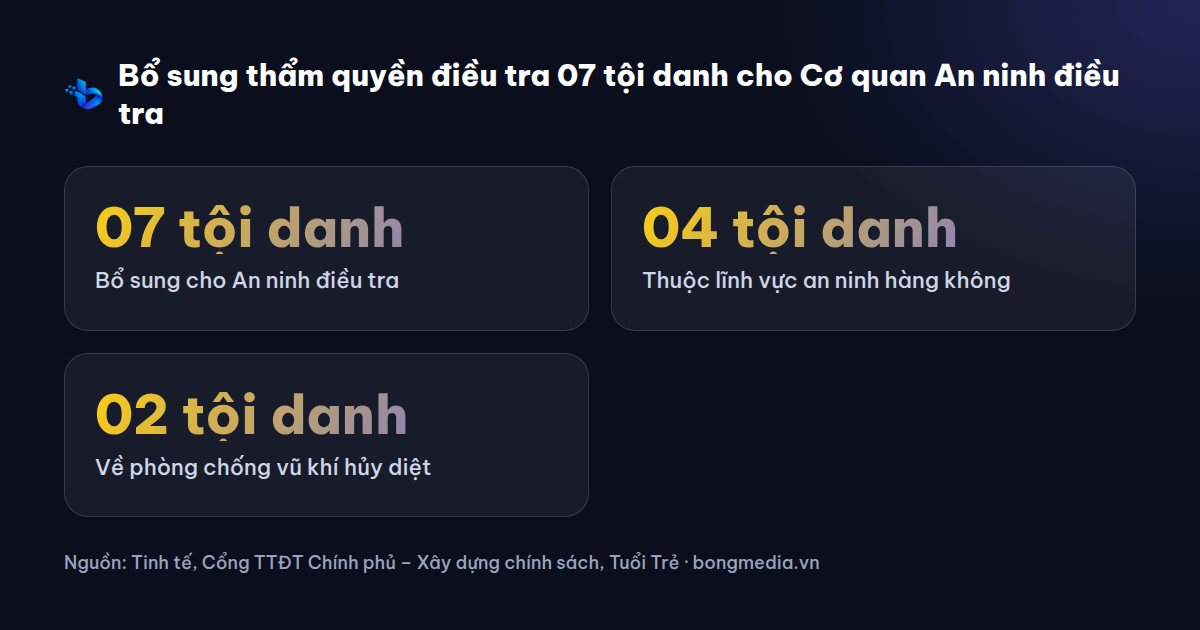
To ensure synchronization with the draft Penal Code (Revised) and suitability to the functions of each force branch, the new law has adjusted the delimitation of authority between the Investigative Police Agency and the Security Investigation Agency under the People's Public Security2.

Photo: A Policeman of the Airport Security Police at the Bermuda International Airport circa 1997 – Seán Pòl Ó Creachmhaoil, CC BY-SA 4.0, via Wikimedia Commons.
According to General Luong Tam Quang, the Security Investigation Agency of the People's Public Security is supplemented with the authority to investigate 07 new offenses2. Among these, 04 offenses belong to the aviation security field stipulated from Article 264 to Article 267 of the draft Penal Code2. In addition, there are 02 offenses related to the prevention and combat of the proliferation of weapons of mass destruction under Article 290 and Article 291 of the draft Penal Code2. The seventh offense under this new authority is the Offense of insulting the National Flag, National Emblem, National Anthem, and Party Flag stipulated in Article 343 of the draft Penal Code2.
The drafting agency affirmed that criminal investigation activities constitute a specialized task requiring very high professionalism and directly relating to the legitimate rights and interests of organizations and individuals; thus, clear and specialized decentralization will avoid overlap2.
Limitation of time limits and authority of specialized agencies
Regarding agencies tasked with conducting a number of investigative activities such as Customs, Forest Protection, and Fisheries Surveillance, the new law maintains a consistent policy of not expanding the authority considered by the National Assembly at the First Extraordinary Session2.
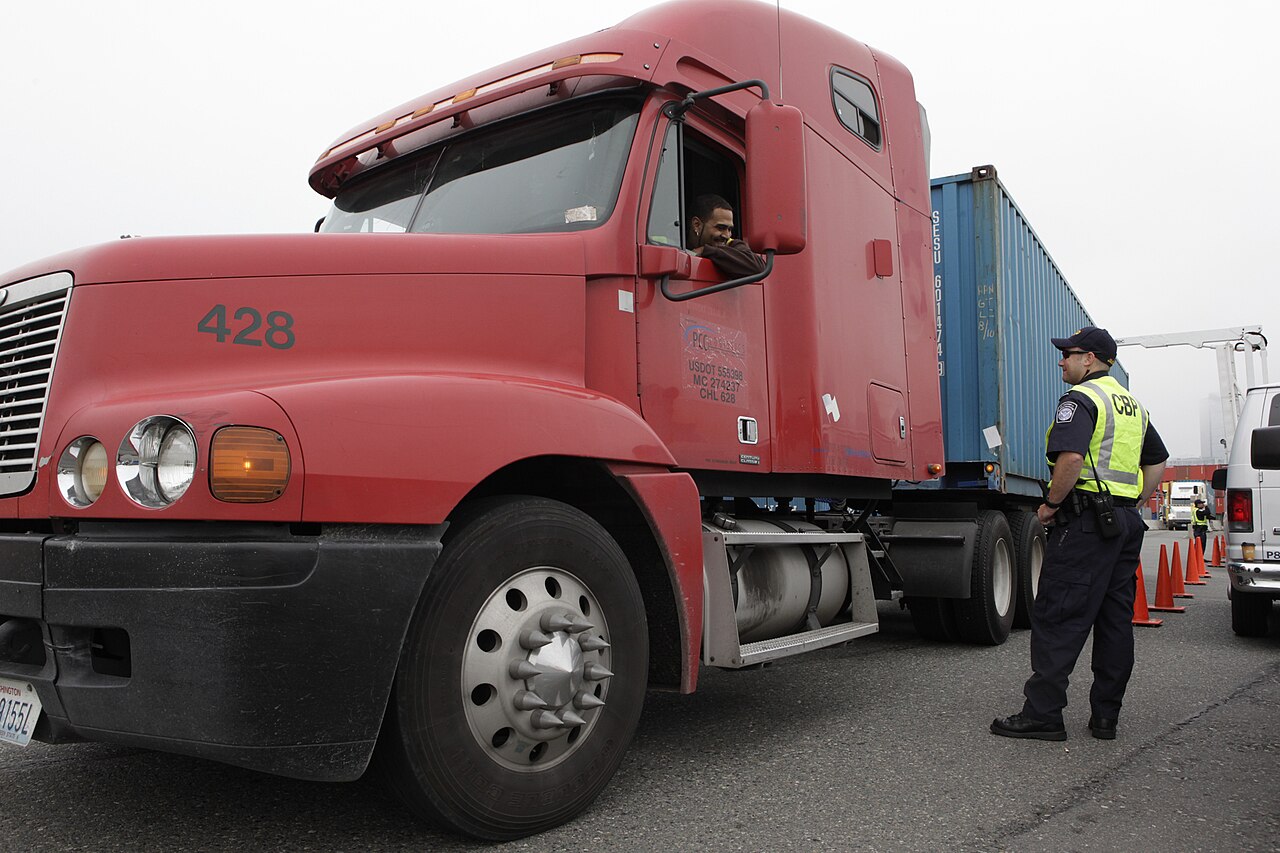
Photo: U S Customs and Border Protection Seattle Washington Inspection (5764585803) – CBP Photography, Public domain, via Wikimedia Commons.
The explanatory report clearly states that the current authority of these units aligns with the nature of state management and their operational areas2. Notably, the draft law has removed the provision on the authority to accept and investigate within a time limit of 01 month for Customs, Forest Protection, and Fisheries Surveillance, retaining only a 07-day time limit2.
Accordingly, within 07 days, these forces are permitted to conduct a number of initial investigative activities and must promptly transfer the case files to the specialized Investigation Body2. Because the 07-day period does not ensure conditions for executing judicial expertise requisition procedures and asset valuation requests, the law stipulates that these agencies do not have the authority to requisition expertise or request asset valuation2.
Regulations on duties of investigators at commune-level public security
The content of assignment, duties, and powers of intermediate-level and high-level investigators holding the positions of Chief or Deputy Chief of Commune-level Public Security is also clearly defined in Article 37 of the law2.
General Luong Tam Quang clearly stated that Point b, Clause 2, Article 37 stipulates the assignment of tasks according to fields of work, while Point c, Clause 2, Article 37 stipulates the assignment of handling crime sources, initiating and investigating specific criminal cases2.
Since the Criminal Procedure Code only provides general principles regarding the assignment work of the Head of the Provincial Investigative Police Agency, the detailed provisions in the revised Law on Organization of Criminal Investigation Bodies serve as a direct legal basis to deploy investigative tasks at the grassroots level2.
Vizy's take
According to Vizy, the National Assembly's passage of the revised Law on Organization of Criminal Investigation Bodies demonstrates the determination to streamline the apparatus and standardize procedural operations toward specialization. Shortening the initial investigation time for specialized forces such as Customs and Forest Protection from 01 month to 07 days, while withholding the power to requisition judicial expertise, will compel these units to accelerate the pace of establishing initial case files before transferring them to specialized Investigation Bodies.
Vizy believes this new process will likely drive the demand for applying information technology in managing, digitizing dossier data, and interconnecting information among law enforcement agencies. For the business community and citizens, clearly understanding the authority to receive and resolve crime sources right at the commune level will help make working procedures and legal cooperation transparent, procedurally correct, and minimize administrative delays when the law comes into effect in March 2027.
Sources
- Tinh tế – ddHiFi Memory: tai nghe USB-C driver planar 13mm, giá 4,8 triệu (Sat, 21 No)
- Cổng TTĐT Chính phủ – Xây dựng chính sách – Quy định Hệ thống Cơ quan điều tra (2026-11-20)
- Tuổi Trẻ – Từ làng trẻ SOS đến giảng đường Oxford: 'Kỷ luật giữ tôi đi tiếp những ngày cạn động lực' (2026-11-20)
- LuatVietnam – Văn bản mới – Quyết định 151/2026/QĐ-UBND của Ủy ban nhân dân tỉnh Đắk Lắk ban hành Định mức kinh tế - kỹ thuật điều tra, đánh giá đất đai trên địa bàn tỉnh Đắk Lắk (Sáu, 20 T)
- LuatVietnam – Văn bản mới – Quyết định 152/2026/QĐ-UBND của Ủy ban nhân dân tỉnh Đắk Lắk quy định quy trình bảo trì mẫu cho công trình được đầu tư xây dựng theo cơ chế tổ chức thực hiện dự án quy mô nhỏ, tính chất kỹ thuật đơn giản, có sự tham gia của người dân thuộc các chương trình mục tiêu quốc gia trên địa bàn tỉnh Đắk Lắk (Sáu, 20 T)
Compiled and analysed by Vizy from the sources above and reviewed by a Bống Media editor before publication. "Vizy's take" is the author's own opinion. For information only, not investment advice.
FAQ
When does the revised Law on Organization of Criminal Investigation Bodies take effect?
The revised law takes effect on March 1, 2027, along with specific transitional provisions.
What new investigative authorities were granted to the Security Investigation Agency?
The agency was granted authority over 07 new offenses, including four related to aviation security, two concerning the prevention of weapons of mass destruction proliferation, and one regarding insulting national symbols and the Party flag.
How has the investigation time limit changed for specialized agencies like Customs and Forest Protection?
The investigation time limit for specialized forces such as Customs, Forest Protection, and Fisheries Surveillance has been reduced from one month to seven days.