

The Ministry of Science and Technology has issued Circular 63/2026/TT-BKHCN, regulating the list of used digital technology products banned from importation starting January 1, 2027. This regulation clarifies that both used and refurbished goods are banned, but it does not prohibit citizens from continuing to use or trade legally circulating used devices domestically.
In recent days, the technology user community in Vietnam has been stirred by reports that the importation of used phones, computers, and cameras will be officially banned starting January 1, 20271. This regulation stems from Circular 63/2026/TT-BKHCN, signed and promulgated by the Ministry of Science and Technology on October 27, 20261. According to a representative of the Ministry of Science and Technology, the import ban on used information technology products has actually been continuously applied since 2007 through various legal documents1. The point drawing significant attention in this new document is that refurbished goods are also included in the import ban category1.
Photo: Comic Market 90 Day 2- Cosplayers (29205075970) – Dick Thomas Johnson from Tokyo, Japan, CC BY 2.0, via Wikimedia Commons.
Main content and scope of Circular 63/2026
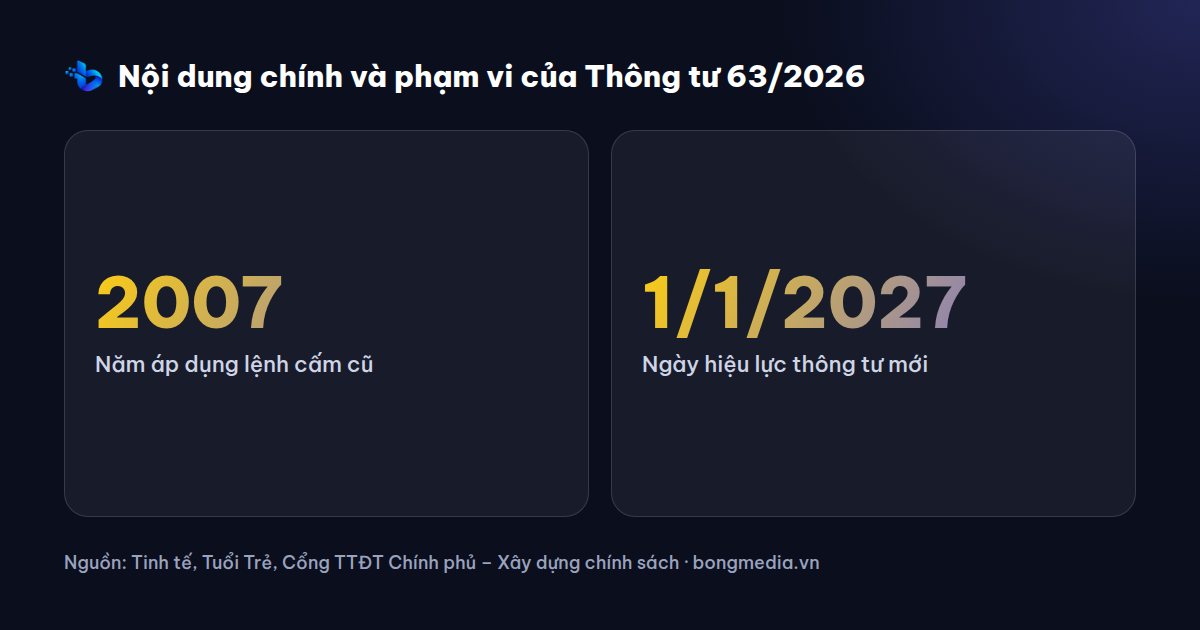
The full title of the document is the Circular promulgating in detail the list of used digital technology products banned from importation, accompanied by HS codes, built on the Law on Digital Technology Industry, the Law on Foreign Trade Management, and Decree 292/2026/NĐ-CP1. This document takes effect on January 1, 2027, completely replacing the previous Circular 11/2018/TT-BTTTT1. The banned categories are demarcated by specific HS code groups including printers and photocopiers (group 8443); computers, laptops, and data processing equipment (groups 8470, 8471); mobile phones and transceiver equipment (group 8517); audio equipment such as microphones, speakers, and headphones (group 8518); digital cameras and filming equipment (group 8525); along with many other device groups such as monitors, TVs, printed circuits, and integrated microcircuits1. According to Mr. Nguyen Khac Lich, Director General of the Department of Digital Technology and Artificial Intelligence, the ban aims to prevent the risk of Vietnam becoming an electronic waste dump, ensure information security, prevent fire and explosion risks from old batteries, and protect consumers1.

Photo: Printed circuit board of Vaptio Cosmo 2 electronic cigarette – Alex P. Kok, CC BY-SA 4.0, via Wikimedia Commons.
Who is affected and the domestic used market outlook
Circular 63 only regulates import activities and absolutely does not require people currently using old phones or laptops to stop using them, nor does it ban the trading of devices already legally circulating within the country1. Major retail chains like CellphoneS and Di Động Việt note that sources of devices purchased locally will continue to play an important role in the market1. However, the groups directly and most heavily impacted are bulk importers of used machinery from abroad, dealers of refurbished goods, individuals ordering used machines through international e-commerce platforms, enthusiasts of hand-carried used audio equipment and cameras, and repair shops dependent on imported stripped-down component sources1. Meanwhile, authorized distribution systems and domestic trade-in activities experience little negative impact1.
Photo: Banana street vendor with mobile phone lying on duyan in a rolling store 02 – FBenjr123, CC BY-SA 4.0, via Wikimedia Commons.
Vizy's take
According to Vizy, the controversies surrounding Circular 63 largely stem from receiving news headlines lacking full context. In reality, the policy to tighten imports of used electronic goods is not a sudden step but a continuation of a legal framework established nearly two decades ago. Clearly adding refurbished goods to the banned list may narrow the supply of cheap hand-carried devices from abroad, but it serves as a basis to purify the market and limit unbranded floating products harboring risks regarding batteries and security. Vizy believes that the used equipment market in Vietnam will not disappear, but will completely shift its trajectory toward domestic supply from official trade-in programs.
Sources
- Tinh tế – Thông tư 63/2026 cấm nhập khẩu thiết bị công nghệ cũ: hiểu sao cho đúng, còn mua đồ cũ được không? (Tue, 10 No)
- Tuổi Trẻ – Du học năm 2027 cần chứng minh tài chính ra sao? (2026-11-10)
- Cổng TTĐT Chính phủ – Xây dựng chính sách – Sáp nhập Trường Cao đẳng Thông tin và Truyền thông vào Học viện Công nghệ Bưu chính Viễn thông (2026-11-10)
- Tuổi Trẻ – Khi sinh viên vừa học vừa làm xoài sấy, kem xoài theo công nghệ Nhật Bản (2026-11-09)
- Cổng TTĐT Chính phủ – Xây dựng chính sách – Sáp nhập Trường Cao đẳng Du lịch Vũng Tàu vào Trường Cao đẳng Du lịch Cần Thơ (2026-11-10)
Compiled and analysed by Vizy from the sources above and reviewed by a Bống Media editor before publication. "Vizy's take" is the author's own opinion. For information only, not investment advice.
FAQ
When does Circular 63/2026 take effect?
Circular 63/2026/TT-BKHCN takes effect on January 1, 2027.
Are users banned from using old phones or laptops after January 1, 2027?
No, the circular only regulates import activities and does not prohibit citizens from continuing to use or trade devices already legally circulating within the country.
Are refurbished goods allowed to be imported?
No, refurbished, repaired, or component-replaced products made to look like new remain on the banned import list if their HS codes fall under the appendix.